You Gave Once. Then You Vanished. Here's What That Does to the Nonprofits You Loved.
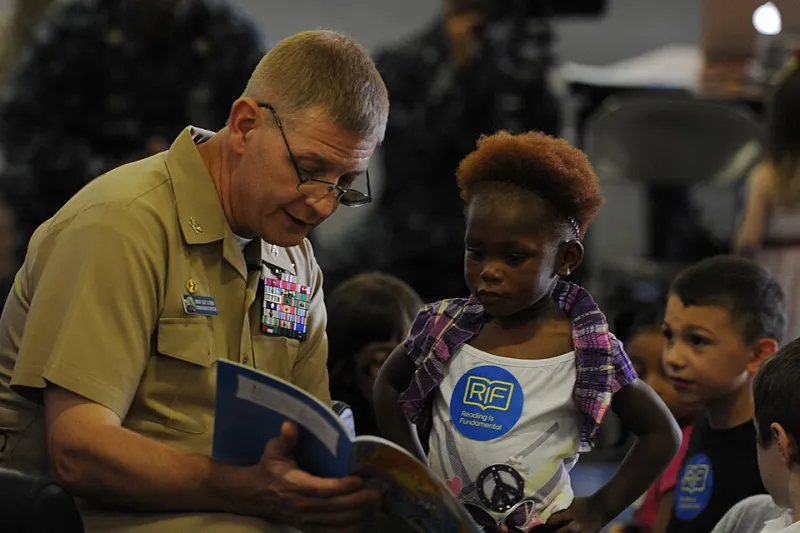
Photo: Seaman Kris Lawrence, Public domain, via Wikimedia Commons
You saw the campaign. Maybe it was a Facebook post, a heartfelt email, or a friend sharing something that genuinely moved you. You pulled out your card, made the donation, and felt that warm little glow that comes with doing something good. Then life happened. The next month came. And the month after that. And somehow, that organization never heard from you again.
Sound familiar? You're not alone — and you're not a bad person. But you might be part of one of the nonprofit world's most quietly devastating problems.
Development directors across the country have a name for it: donor attrition. The rest of us might just call it ghosting. And it's happening at a scale that most donors never realize.
The Numbers Are Harder to Ignore Than You'd Think
According to the Fundraising Effectiveness Project, the average nonprofit retains only about 43% of its donors from one year to the next. That means more than half the people who give to any given organization in a calendar year simply don't come back. For first-time donors specifically, that retention rate drops even lower — sometimes into the 20s.
For an organization running on tight margins, losing that many donors every single year isn't just disappointing. It's existential. Acquiring a new donor costs anywhere from five to ten times more than keeping an existing one. So every time someone ghosts, the organization has to work that much harder just to stay in place.
"We celebrate every new donor," said one development director at a mid-sized food bank in the Midwest who asked to remain unnamed. "But if they only give once and we never hear from them again, we've essentially just broken even on the relationship. We needed them to come back."
Why Do Donors Disappear?
Here's where it gets interesting — and a little uncomfortable. Most donors who stop giving don't do it because they stopped caring. Research consistently shows that the top reasons people lapse are things like forgetting, feeling like their contribution didn't matter, or simply never hearing from the organization again after the initial thank-you.
That last one is a two-way problem. Yes, some nonprofits drop the ball on follow-up communication. But donors also tend to underestimate how much their continued presence matters. A $25 recurring donation might feel trivial to the person giving it. To the organization receiving it, that's a predictable, budgetable line item that makes planning possible.
There's also a psychological element at play. Giving can sometimes function as a form of emotional closure. You saw a problem, you did something about it, you moved on. The dopamine hit of donating is real — but it doesn't automatically translate into a long-term sense of responsibility or connection.
"People give in moments of feeling," explained a nonprofit consultant based in Atlanta who works with smaller community organizations. "But organizations need sustained support, not just emotional peaks. Bridging that gap is one of the hardest things in fundraising."
The Nonprofit Side of the Equation
To be fair, organizations aren't always doing everything they could to hold onto the donors they work so hard to attract. Generic thank-you emails, infrequent updates, and communications that lean heavily on guilt or urgency can all push donors toward the exit.
When every message is a ask — donate now, give today, we need your help — donors start to feel like ATMs rather than partners. And nobody wants to be an ATM.
The nonprofits that tend to retain donors best are the ones that communicate impact clearly and personally. Not just "your donation helped us serve 10,000 meals" but "here's what happened in your neighborhood because of contributions like yours." Specificity builds connection. Connection builds loyalty.
Some organizations have started investing in what's sometimes called "donor stewardship" — basically, treating donors like the community members they are rather than entries in a spreadsheet. That might mean handwritten notes, phone calls from program staff (not just fundraisers), or behind-the-scenes updates that make donors feel genuinely included in the work.
What You Can Do If You've Been a Ghost
If you're reading this and realizing you've quietly disappeared from an organization's radar, there's genuinely no shame in that. Life gets busy. Priorities shift. The good news is that re-engaging is usually as simple as reaching out.
Here are a few ways to rebuild a giving relationship that actually sticks:
Set up a small recurring gift. Even $10 a month is more valuable to most nonprofits than a single $120 annual donation because it's predictable. Recurring donors are also statistically more likely to increase their giving over time.
Follow the organization on social media. Staying connected between donations keeps the cause present in your life. You're less likely to drift away from something you're regularly seeing updates about.
Tell them why you care. A lot of donors never explain what drew them to an organization in the first place. Sharing that — even in a short email — helps the nonprofit communicate with you more meaningfully. And it reminds you why you showed up.
Ask what they actually need. Sometimes the most useful thing isn't money. Volunteering, sharing campaigns, or connecting the organization with others in your network can be just as impactful. And getting involved in a hands-on way tends to deepen your commitment.
What Nonprofits Can Do Better
Organizations, this one's for you too. If your donor communication strategy is mostly asks with a thank-you email sandwiched in between, it's time to rethink the relationship.
Invest in storytelling. Show donors what their money actually did. Create a welcome sequence for first-time givers that doesn't immediately pivot to another request. Survey your lapsed donors — many of them will tell you exactly why they left, and that information is gold.
Most importantly, think about your donors as people who want to be part of something, not just fund it. The organizations that thrive long-term are the ones that make giving feel like belonging.
The Relationship Is Worth Fighting For
At the end of the day, donation ghosting is really just a relationship problem. And like most relationship problems, it's fixable when both sides are willing to show up.
Donors who feel seen and informed give more consistently. Organizations that communicate with warmth and transparency retain more supporters. The math isn't complicated — but the emotional work behind it takes real intention.
So if you've been ghosting a cause you once cared about, maybe today's the day to send that text. Or in this case, that donation. They've been wondering where you went.